Last June, I was pinching myself in disbelief as my husband and I travelled through Chilé. We were there as the Winter season arrived which is considered off season for the wine tourism, but that just meant that groups were intimate. I was accompanying my husband on a work trip that we extended on both ends so that we could explore together.
Fast forward a year and we decided to open this bottle in remembrance of this awesome trip. Little did I know that one week later my husband would suffer a stroke and this bottle now represents the last bottle we will share for awhile.
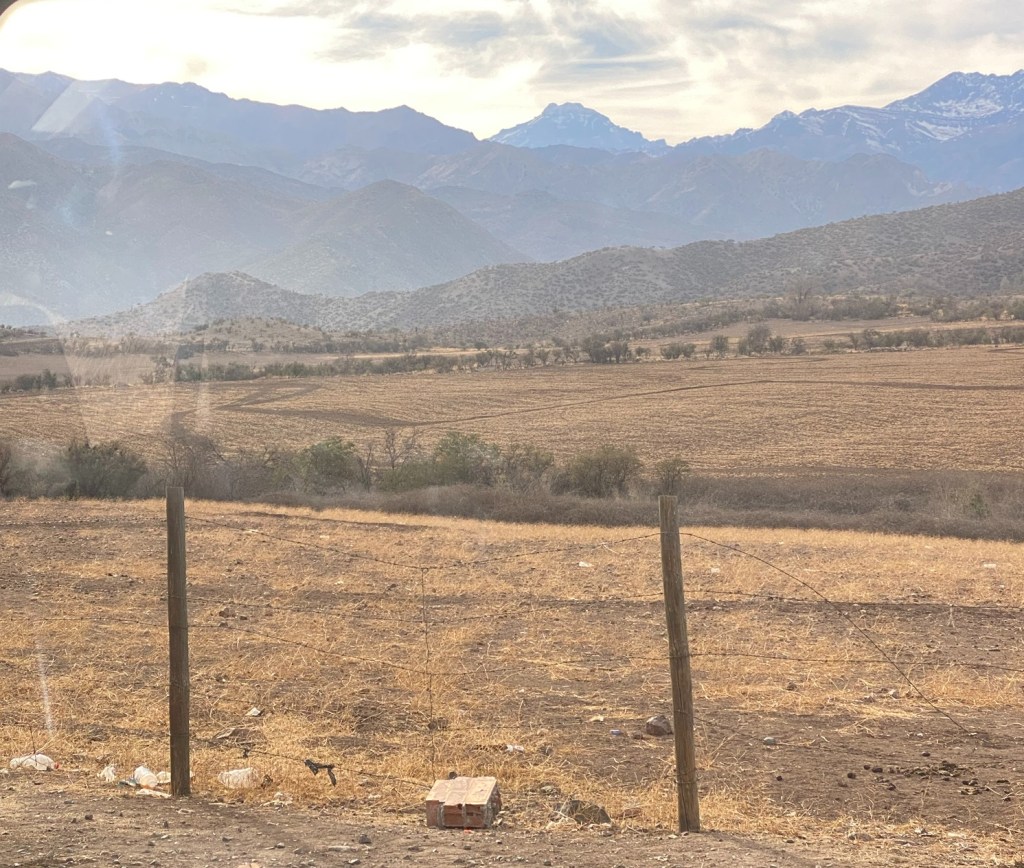
On this trip in June of 2023, we booked an Andes Mountain tour, visiting Laguna del Inca. This was surreal. Even now I look at the pictures and can’t believe that I was able to visit and experience such a beautiful place. The laguna was located directly behind the Portillo Ski Resort and it was amazing to see the number of northern hemisphere ski teams – national, Olympic, and professional – that visit this ski resort to be able to ski year round was astounding. It felt like such a remote space at the peak of the Andes mountains between Chile and Argentina and people from all over the globe have been here and experienced this beauty for themselves. It is a lot to think about and one of the reasons I love travelling so much.
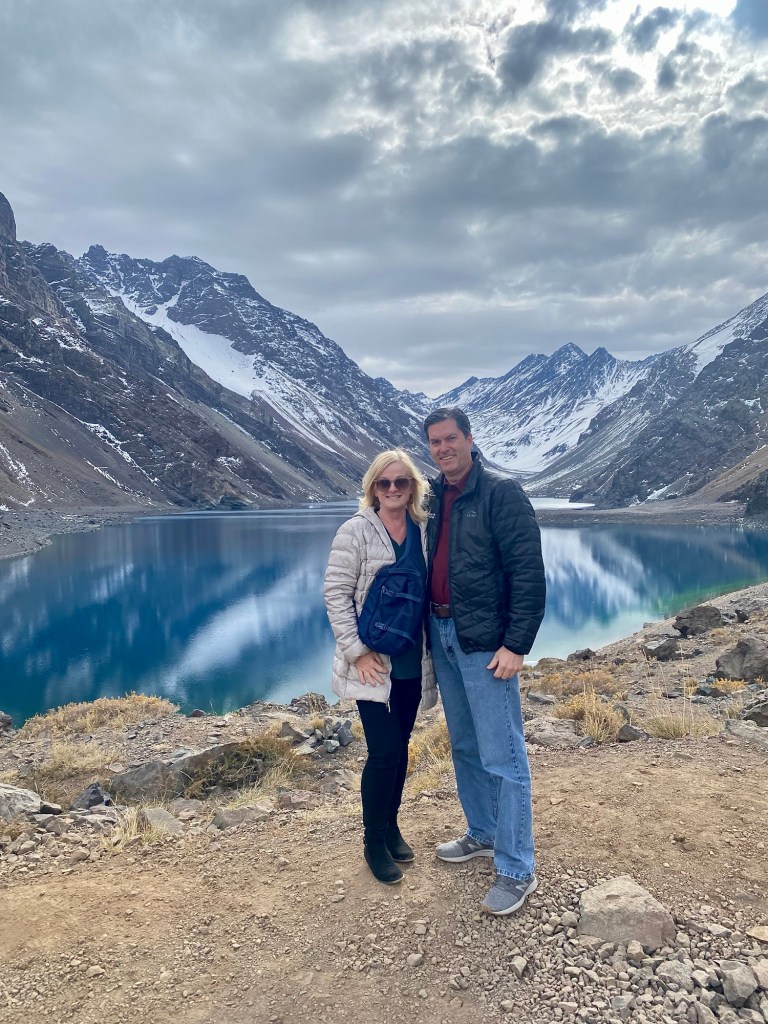
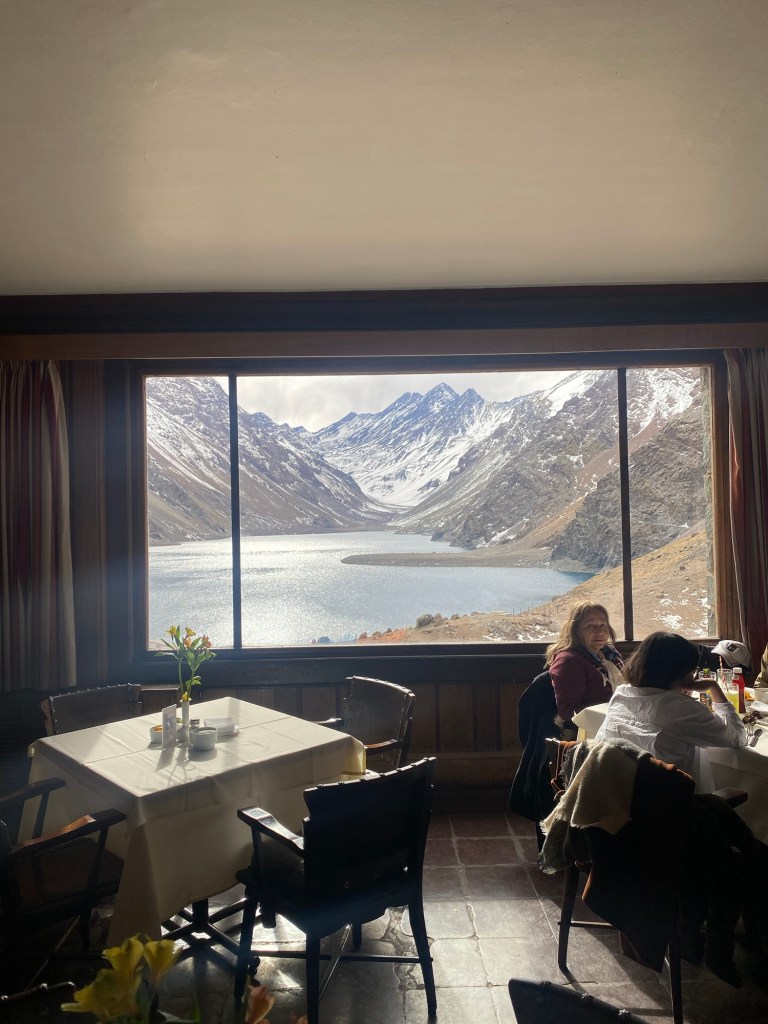
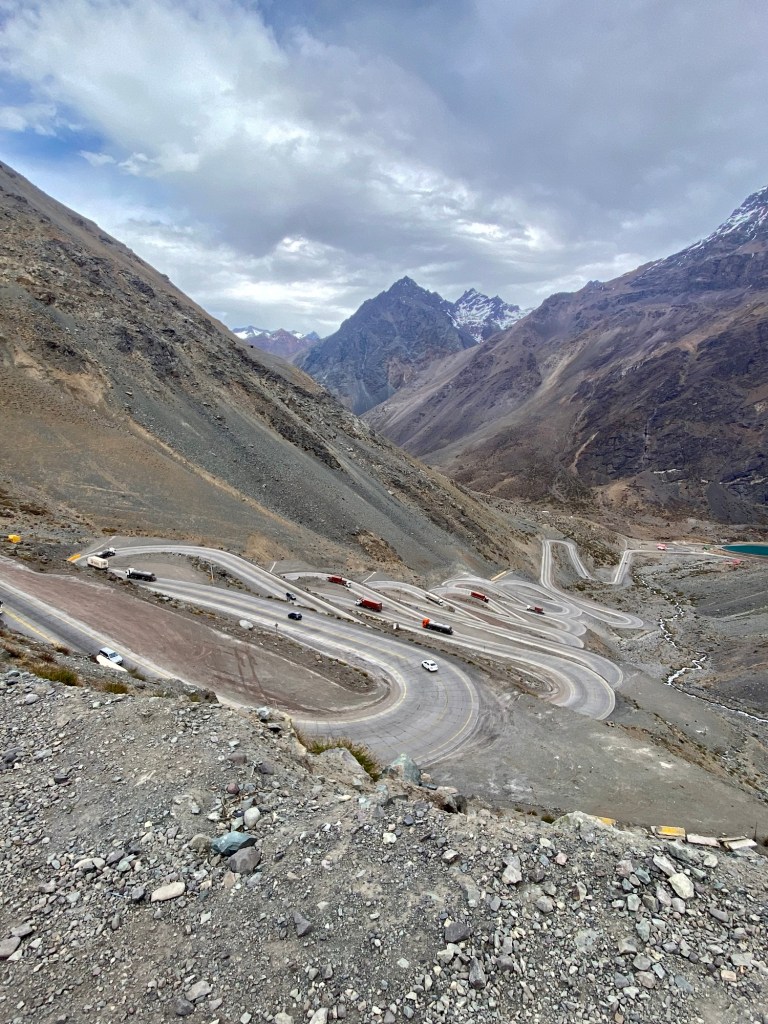
Our tour guide was very knowledgeable and we learned so much about Chile and its history, Incan an otherwise. We were stunned to learn that Chile experiences about 700 earthquakes a day! What? It’s true. The vast majority of quakes are in remote areas and never felt by anyone, but building codes in major metropolitan areas take this into consideration when building and assume great responsibility for creating quake proof building structures. Considering Santiago is home to the tallest skyscraper in South America, that is somewhat reassuring.
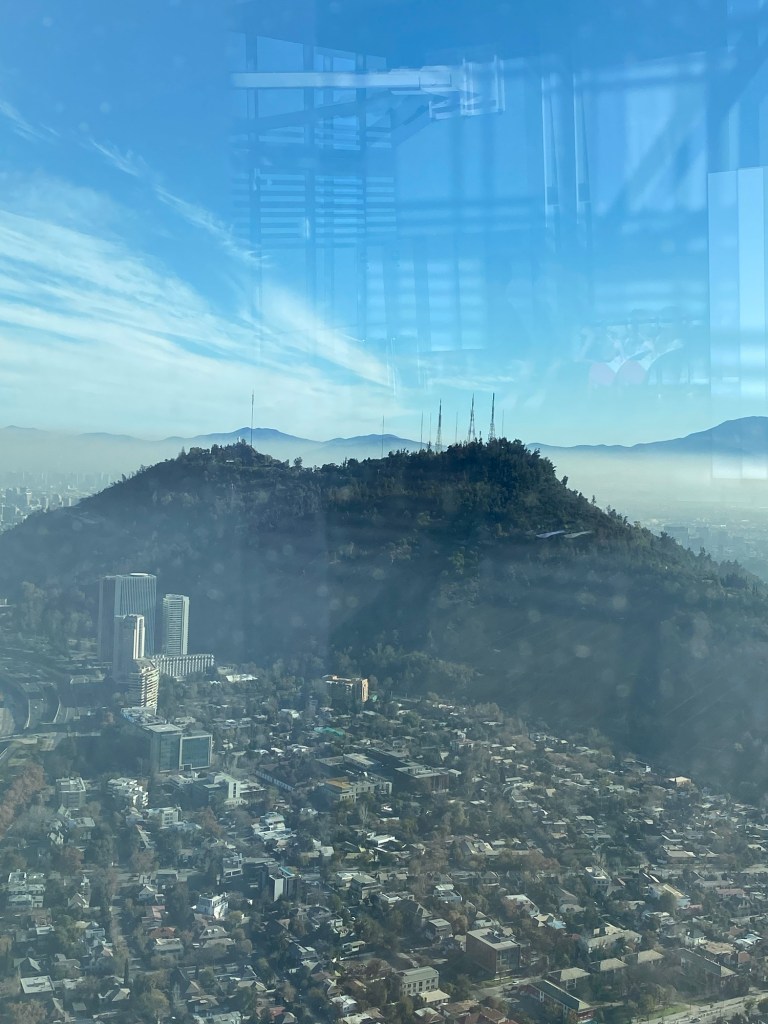
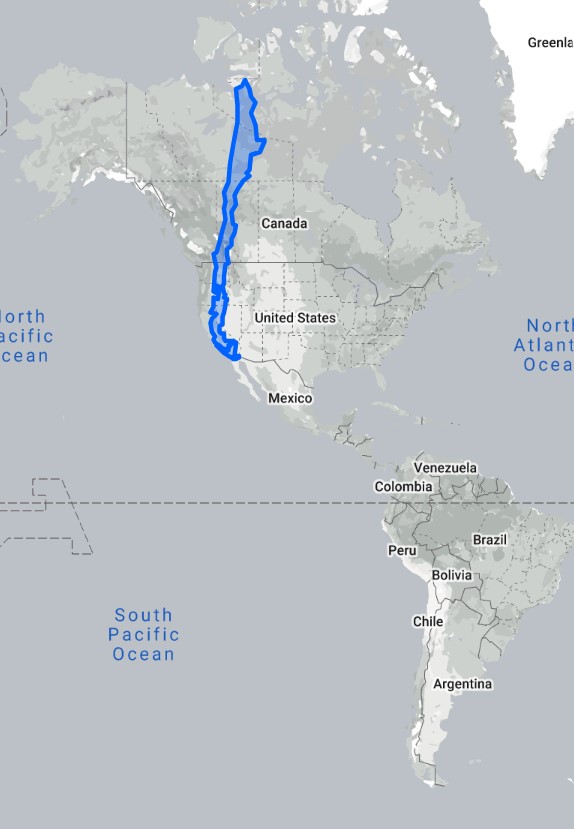
Chile covers 2,653 miles from north to south, 32 degrees of latitude, and goes from desert in the north to tundra in the south. If you place Chile over North America, it covers area from the Mexico border to the just beyond the main land of Canada. Perhaps just as impressive is the fact that it averages a mere 110 miles in width.
Our small group stopped at a gas station on the way out of Santiago. Checking out gas stations and McDonalds, are some of my favorite things to do when in a foreign country. Whether it’s a new flavor of Lay potato chips, a mass produced version of some culturally specific food, or some unique item on the McDonald’s menu, I absolutely love checking this out. Do you do this when travelling?
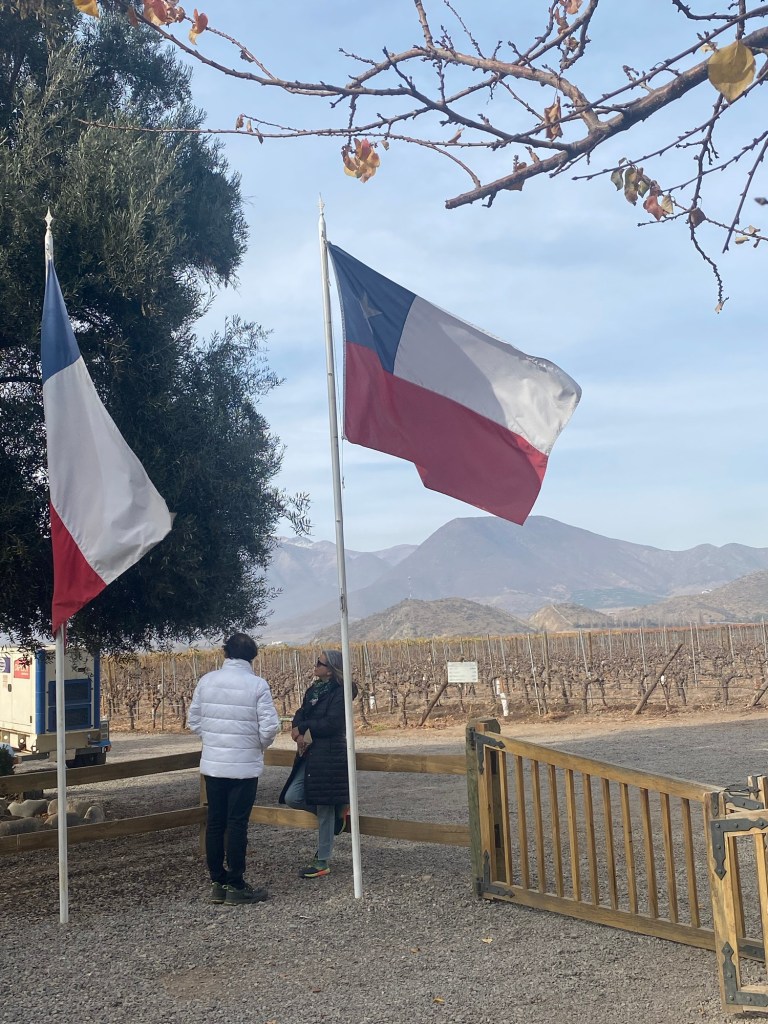
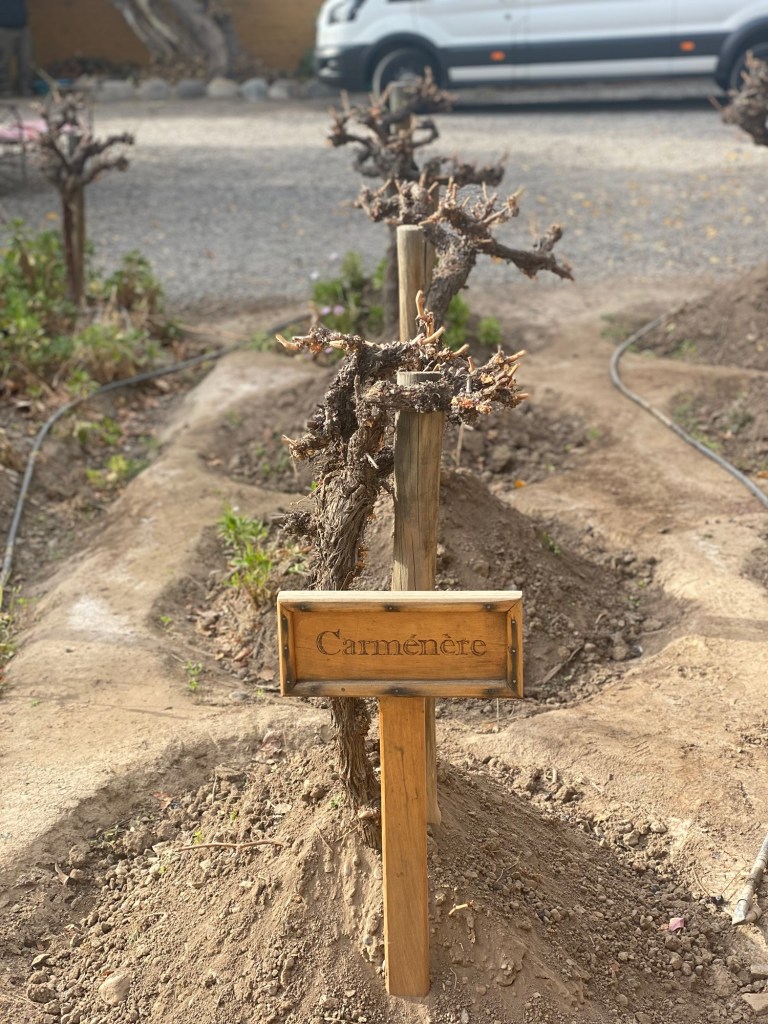
The next stop was a winery where the tour guide purchased wines to go with empanadas that we were having at the end of the tour. We didn’t have a formal tasting or tour of the winery, but were able to explore the grounds for a bit and taste a few wines. We picked up a bottle Carmenère to bring back with us. No one could tell us how many bottles of Chilean wine Argentina would allow us to bring in and since that was our next stop, we were very judicious with our purchases.
Carmenère is one of the original six grapes permitted in Bordeaux wines, but today Carmenère’s home is definitely in Chile. Until very recently Chile is where more Carmenère vines were grown than any other place in the world. According to a recent Wine Folly article, China now grows more Carmenère than Chile. It is not the most widely planted grape in Chile. Like so many other grape growing regions, Cabernet Sauvignon takes top spot.
Carmenère’s history in Chile is interesting as it was mistaken for Merlot for decades. It tasted so different from Merlot, it was called Chilean Merlot and was thought to be a result of the terroir. In 1994, when DNA testing of grapes became available, it was discovered that Chilean Merlot was actually Carmenère.
I didn’t realize how serendipitous the transfer of this grape from France to Chile was until I recently listened to a podcast covering Carmenère. The podcast is hosted by two people local to the greater Atlanta area and is called Wines We Drink. I love it for its concise and to the point information on the topic being discussed. I’ve linked the episode at the bottom of this article, along with a Wine Folly and Food & Wine article in case you really want to deep dive.
So what about this wine? Carmenère historically hasn’t gotten much love out there in the wine world, but this was absolutely lovely. If you haven’t tried Carmenère recently, I urge you to give it another try.
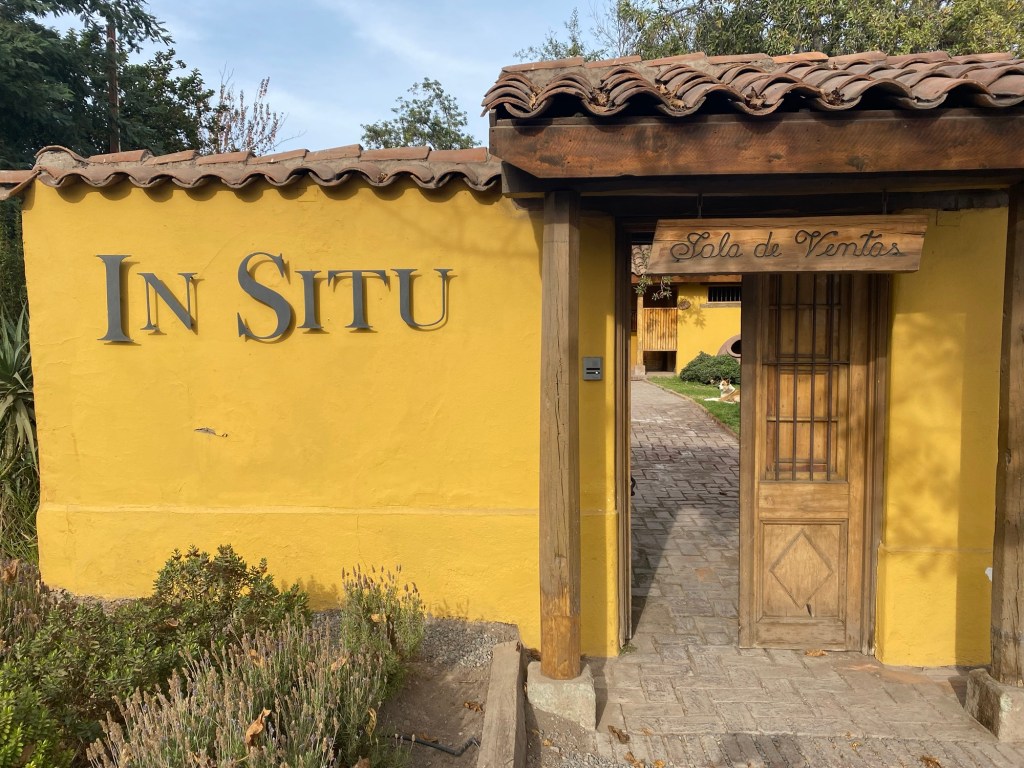
In Situ|Carmenère Reserva|2020|13.5% ABV|7.00 CLP

In Situ is located in the Aconcagua Valley, named for the tallest mountain in the Western Hemisphere, and the Americas. In fact, it is the tallest mountain outside of Asia.
The Aconcagua Valley is a designated Denomination de Origin (DO). One of five main regions of the Central Valley.

Jose Vicente has operated In Situ since 1974, although his son, Horacio is currently at the helm. Horacio not only attend the University of Bordeaux, he rounded out his education working at Mouton Rothschild in Bordeaux and Chalone in California.
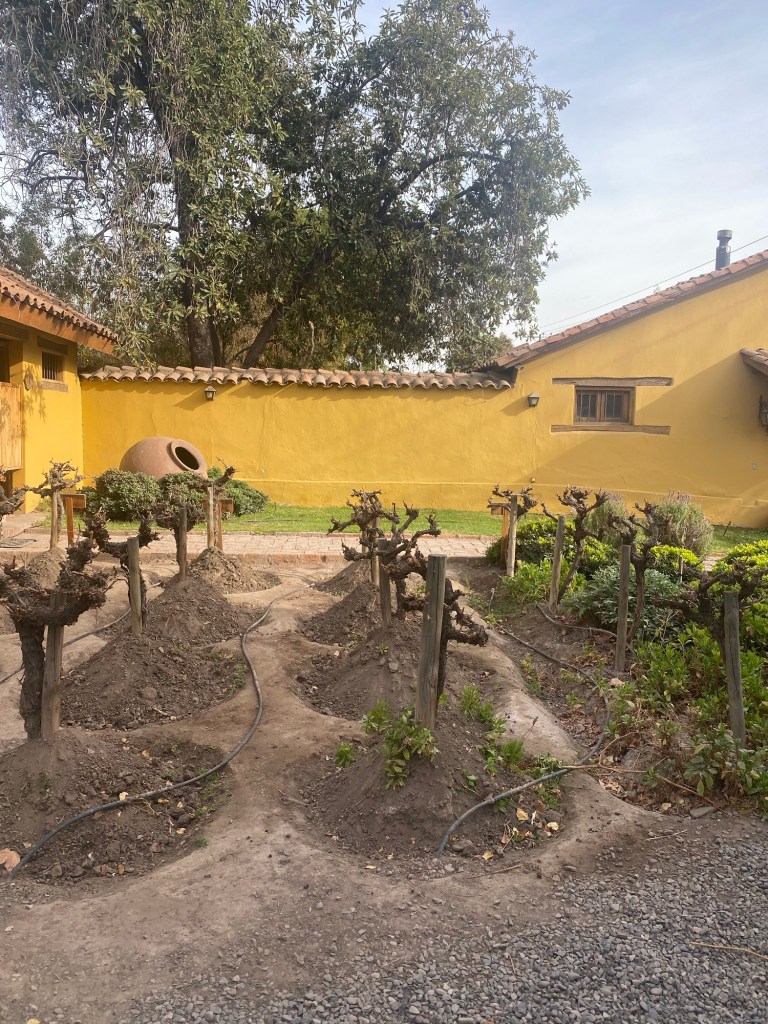
This Reserva wine contains grapes hand picked from the wineries best vineyards, including 5% Cabernet Sauvignon. The grapes are macerated for 18 days, then aged for 12 months in a combination of French and American oak. Rich, bold, and beautiful, the hallmark of the Reserva collection is the elegant tannins.
Notes of all things black: pepper, olives, and fruit, this wine is both fruity and complex with mineral and earthy notes. Carmenère is a great a grilling wine, but we drank it with Manchego cheese, olives, nuts and other nibbles.
Do you have a Carmenère you love? It not, I urge you to seek one out the next time you have anything meaty, from a burger to a lamb chop. Or with some nibbles when you are in the mood for a big, but elegant red wine to be the star of the show.
Wines We Drink Podcast, Season 3, Episode 34, Carmenere: https://open.spotify.com/episode/67zFyKegdigfyZQM90EEOD
Wine Folly: https://winefolly.com/grapes/carmenere/
Food & Wine: https://www.foodandwine.com/carmenere-wine-guide-8651153
 Side Hustle Wino